Classes and Seminars
-
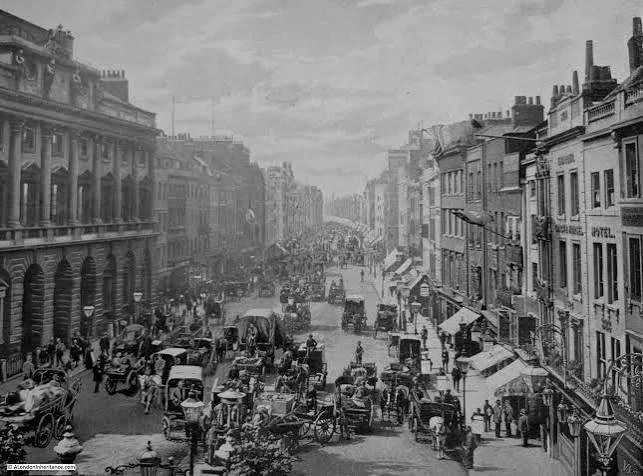
The Country and the City
The two major narrative art forms of the 19th and 20th centuries – the novel and the film – are born out of modern, urban experience. How are the perceptions, feelings, and understanding of individuals transformed by the historical shift of human societies from mostly rural communities to large cities? This course will offer an introduction to literary analysis through the study of a range of fiction, films, and theory concerned with these transformations of human life through the growth of modern cities, and the subsequent nostalgia for the country as a simpler, more socially integrated space. The basic premise of the course, which we will deepen over the semester, is that the modern city produces both alienation in our loss of connection to community and nature, and freedom in how it separates us from familial and traditional expectations over how we live our lives. Assignments will include an oral presentation, an in-class midterm, and two essays.
-
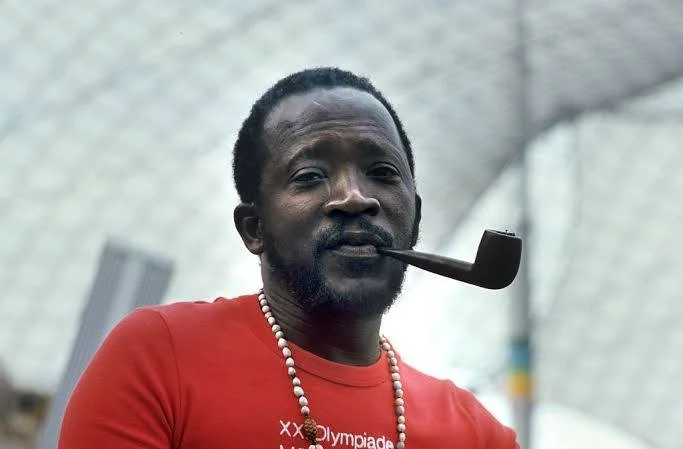
Le français dans le monde (Global French)
Second-year course on Francophone literature and cinema, focusing on the politics of language.
Dans ce survol non-exhaustif des cultures francophones autour du monde, nous explorerons les traditions, les histoires, les langues, la musique, le cinéma, la littérature et la gastronomie de divers peuples francophones, notamment du Canada, de l’Afrique, et de la Caraïbe. Une attention particulière sera placée sur la relation de ces peuples avec la langue française et le colonialisme. Le thème central du cours sera « Le langage comme outil et comme arme » : nous considérerons comment la langue française peut fonctionner comme une arme de pouvoir oppressif, et/ou de réimagination critique et de résistance. Qui a le droit au langage ? Qui parle dans un texte ? La langue française appartient à qui ? Nous aborderons ces questions ce semestre, avec l’aide des œuvres de fiction, poésie, cinéma, et des essais critiques. -
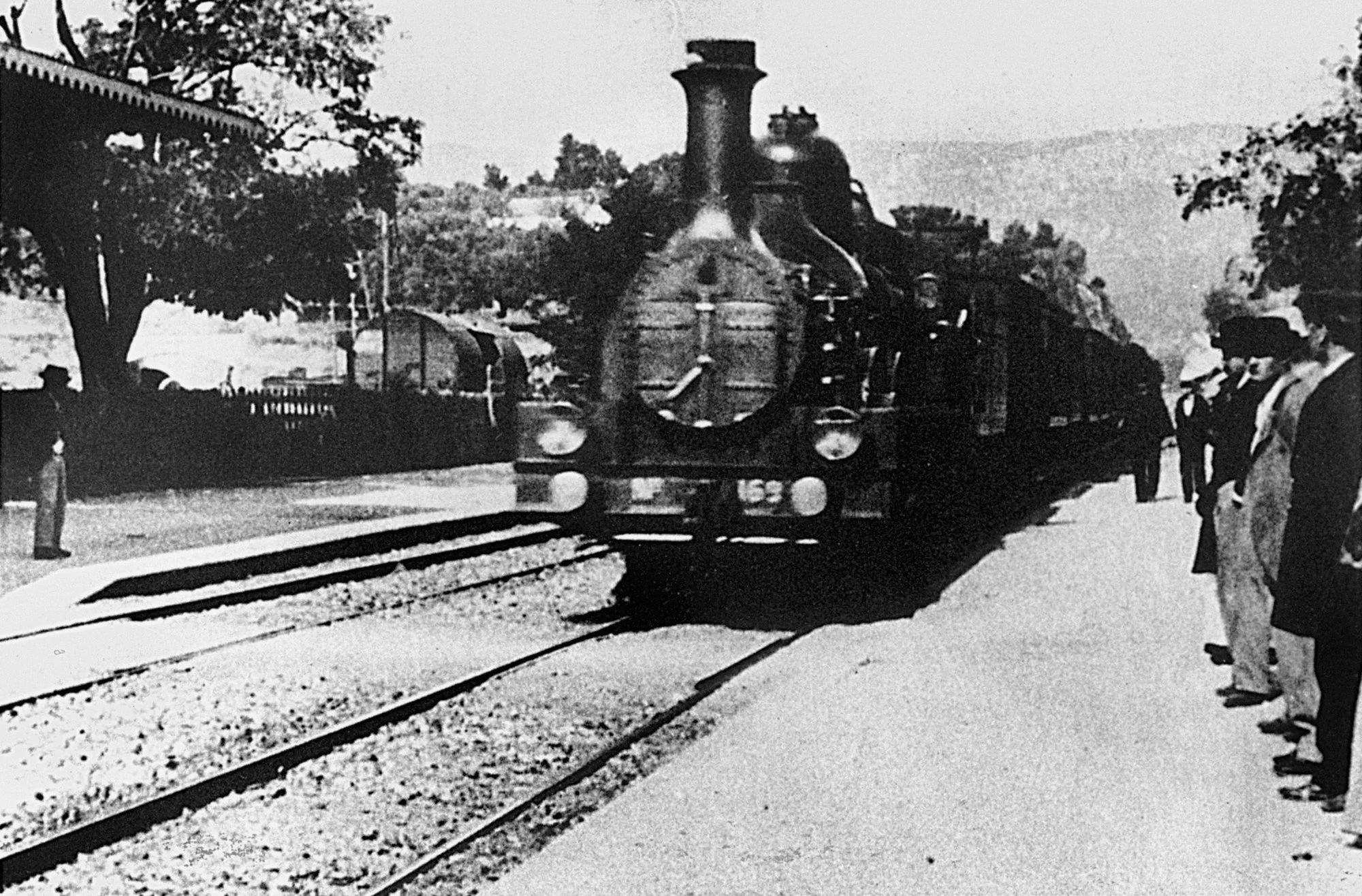
Le cinéma français, 1895-2025
Survey course on the history of French cinema, focused on teaching fundamentals of film analysis.
Ce cours présentera la culture française et belge à travers l’histoire du cinéma. Vous développerez une connaissance des outils de l’analyse de film (les plans, le montage, la mise-en-scène), que vous utiliserez dans le contexte d’une réflexion thématique sur les films. En passant de Louis Lumière à Jean Renoir, Agnès Varda, Jean-Pierre et Luc Dardenne, et Alice Diop, nous aborderons les questions de la modernité, la sexualité et les genres, la guerre, les conflits de classe, et le colonialisme. Vous préparerez deux textes écrits en classe, une présentation orale, et un travail de recherche. -
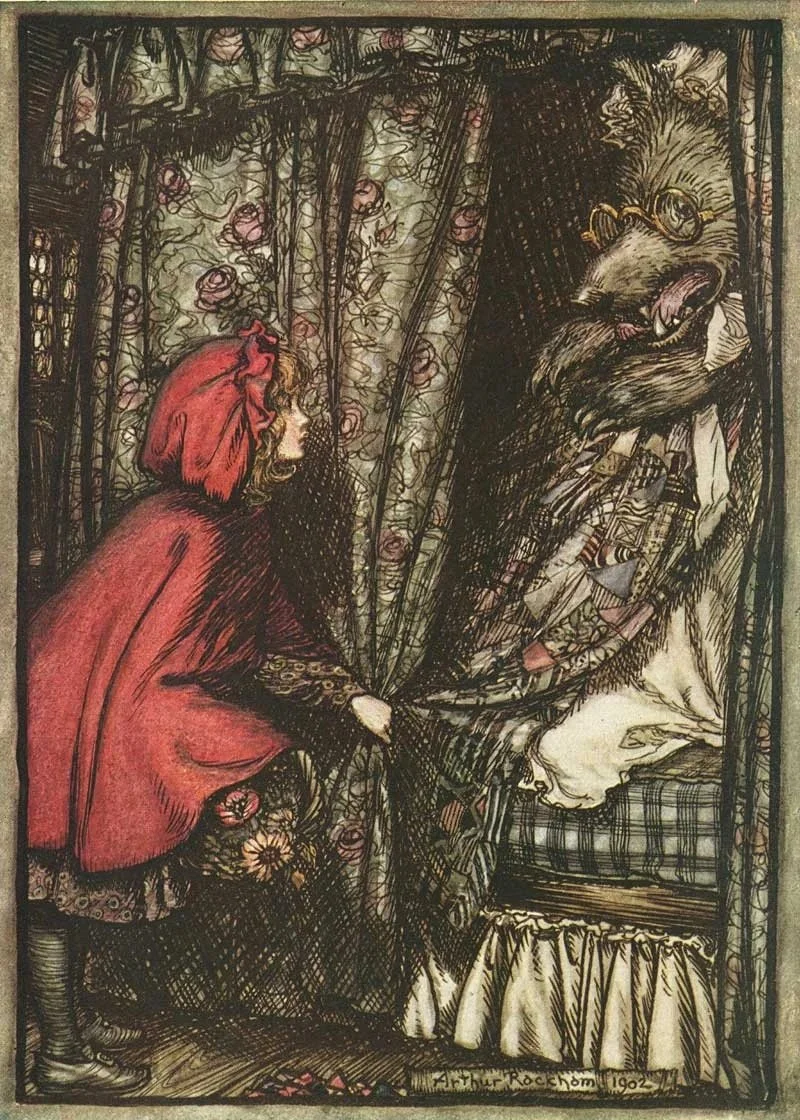
Children's Literature
This course provides an introduction to children’s literature across a range of genres and historical periods, using Lewis Carroll’s Alice’s Adventures in Wonderland as a crucial starting point. With Alice, children’s literature begins to move away from serving an educational and disciplinary purpose, towards a more playful exploration of the child’s inner world. This tension between education and play as two tendencies within children’s literature will be explored throughout the semester, as we read influential works from Britain, Italy, and North America up to the present day, further engaging with themes of gender, indigeneity, and ideology as features of the world that children learn to engage with. Theoretical texts on childhood by Benjamin, Merleau-Ponty, Freire, Illich, Warner, Heuscher, and others will help frame our discussions. Pieces of assessment will include an oral presentation on one of our readings, in-class writing based on close reading of passages, and a research essay.
-
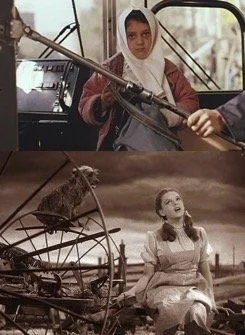
Children's Film and Television
This course provides an overview of film and other screen media about, and marketed towards, children. From Disney classics of the 1930s to the playful revisions of the 1980s and the hyper-mediation of children’s media today, we will watch films from France, Australia, Spain, Japan, and Iran, as well as Hollywood. Students will learn tools of film analysis (editing, mise-en-scène, sound, camera positions), and will use these to interpret films and the messages they convey about the world of childhood. We will explore questions of enchantment, entertainment, and education, asking how films create the feeling of an enchanted world, and considering how the commercial imperatives of production companies influence the viewing habits of children and the ideas that . The skills and knowledge you acquire will be tested and developed through assignments including an oral presentation, in-class writing, a scene analysis, and a research essay.